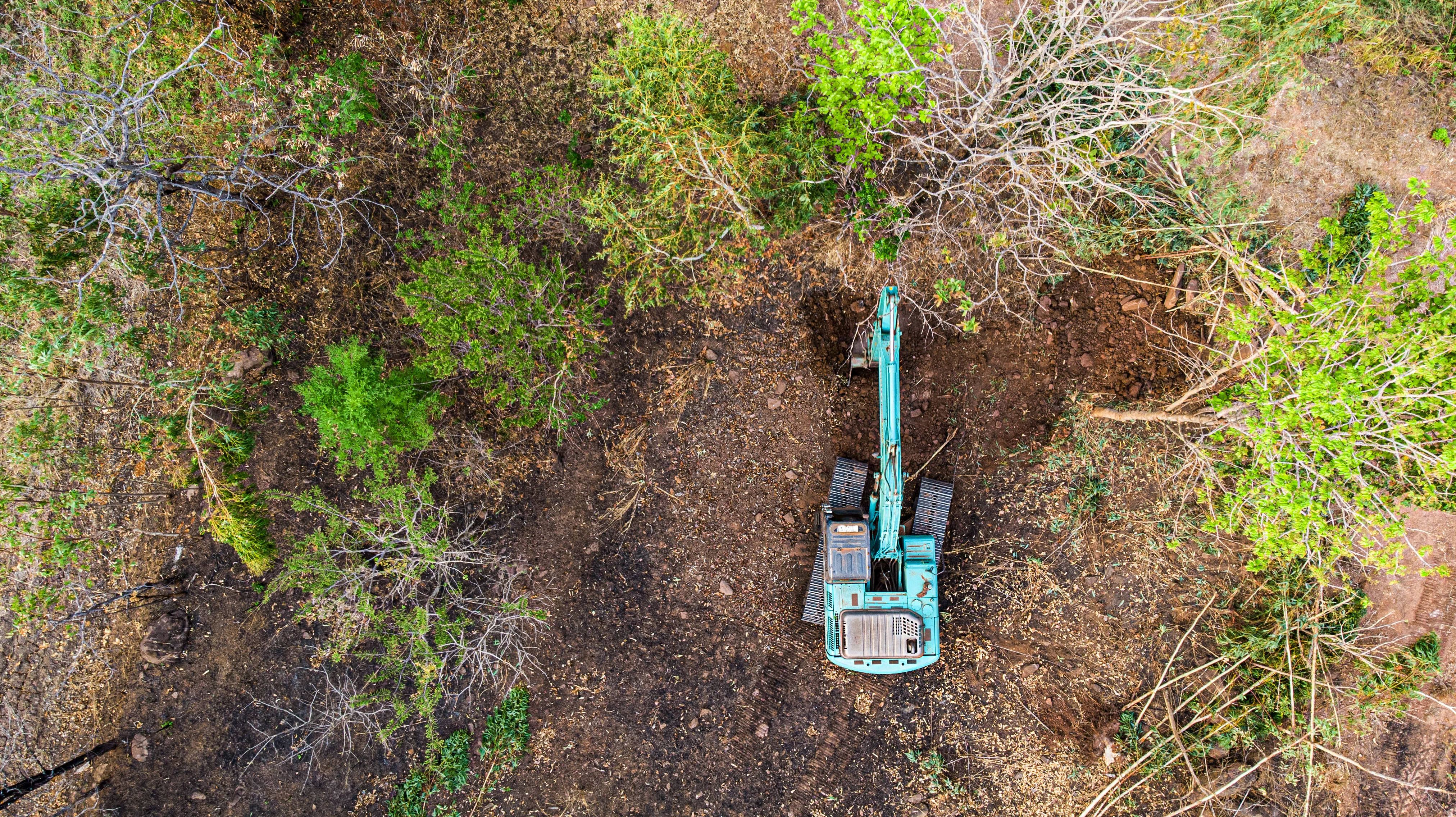
Land Clearing & Brush Removal in South Lake Tahoe, CA
Alpine Wildfire Prevention & Vegetation Management at 6,237 Feet
Protecting South Lake Tahoe's Alpine Properties
Brushtech Land Management serves South Lake Tahoe, El Dorado County's most populous city and the Sierra Nevada's premier alpine community at 6,237 feet elevation. Following the devastating Angora Fire (2007) that destroyed 254 homes and the 2021 Caldor Fire evacuation, this community understands that wildfire prevention isn't optional - it's essential.
With true alpine conditions, TRPA environmental regulations, and proven catastrophic fire risk, South Lake Tahoe properties require specialized expertise. Alpine-capable equipment and high-elevation experience protect both year-round residences and vacation homes in California's most challenging service environment.
Services in South Lake Tahoe
Specialized alpine vegetation management and wildfire prevention for Lake Tahoe's most challenging environment
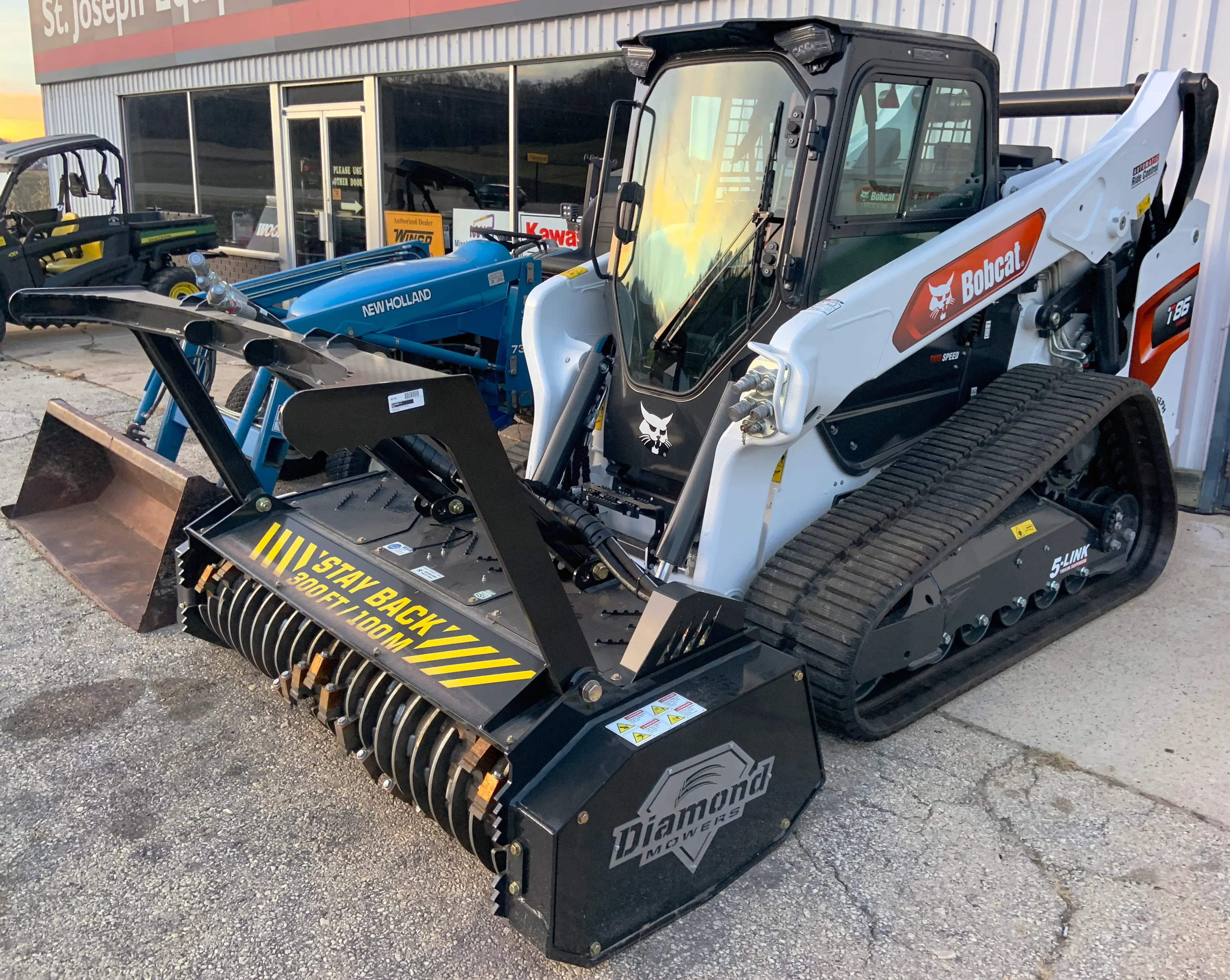
Fire Breaks & Defensible Space
Critical wildfire protection for South Lake Tahoe's proven extreme fire risk. Brushtech creates TRPA and CAL FIRE-compliant defensible space zones designed for alpine forests, steep terrain, and environmental sensitivity.
- TRPA-compliant fire breaks
- 100-foot defensible space zones
- Alpine forest fuel reduction
- Pre-season fire prevention
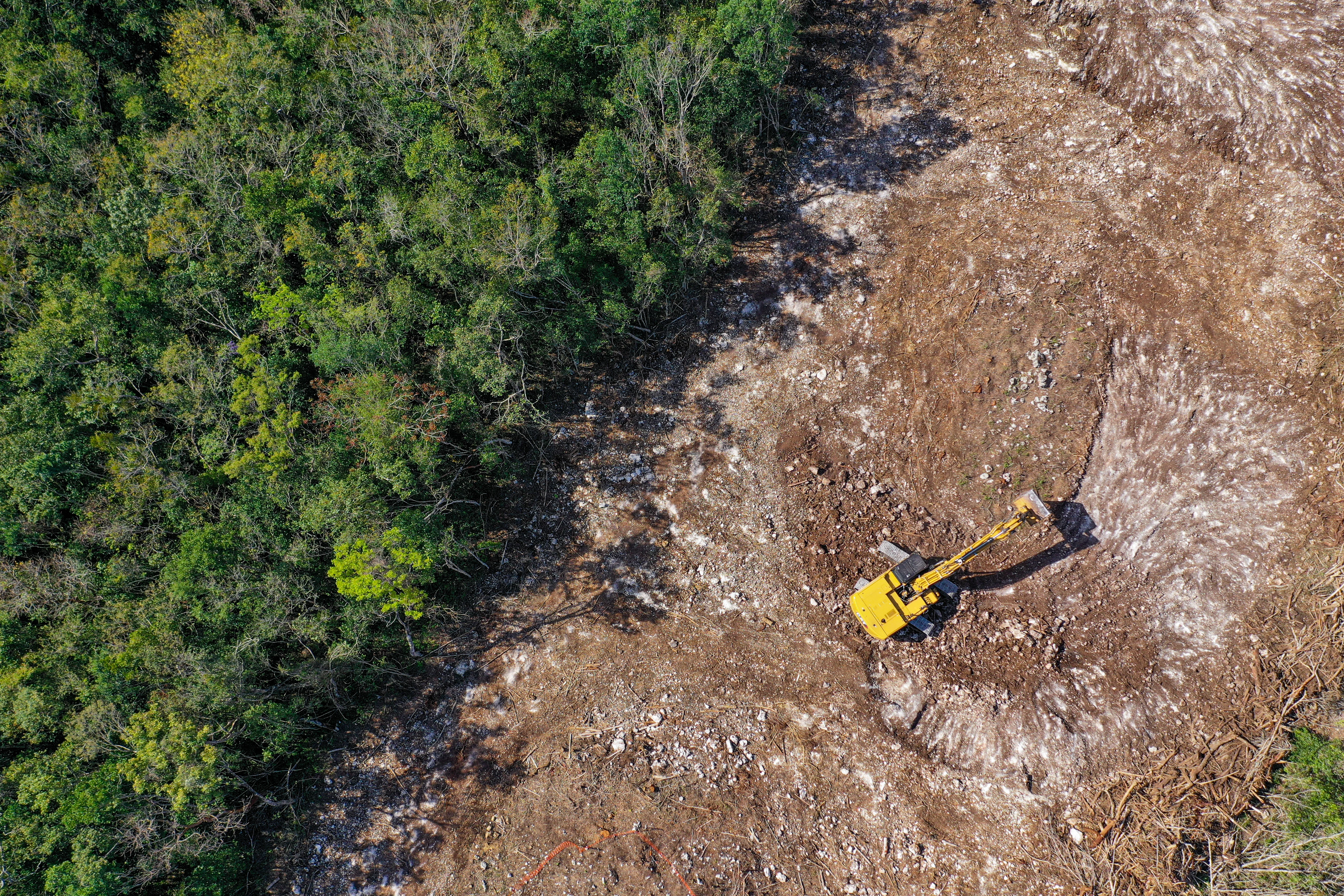
Alpine Land Clearing
Professional clearing for South Lake Tahoe's alpine environment. Specialized equipment for 6,200+ foot elevation, steep slopes, and TRPA environmental compliance. Every project protects your property while preserving Lake Tahoe's natural beauty.
- TRPA-compliant forest clearing
- Selective clearing (environmental protection)
- High-elevation site preparation
- Alpine stump removal
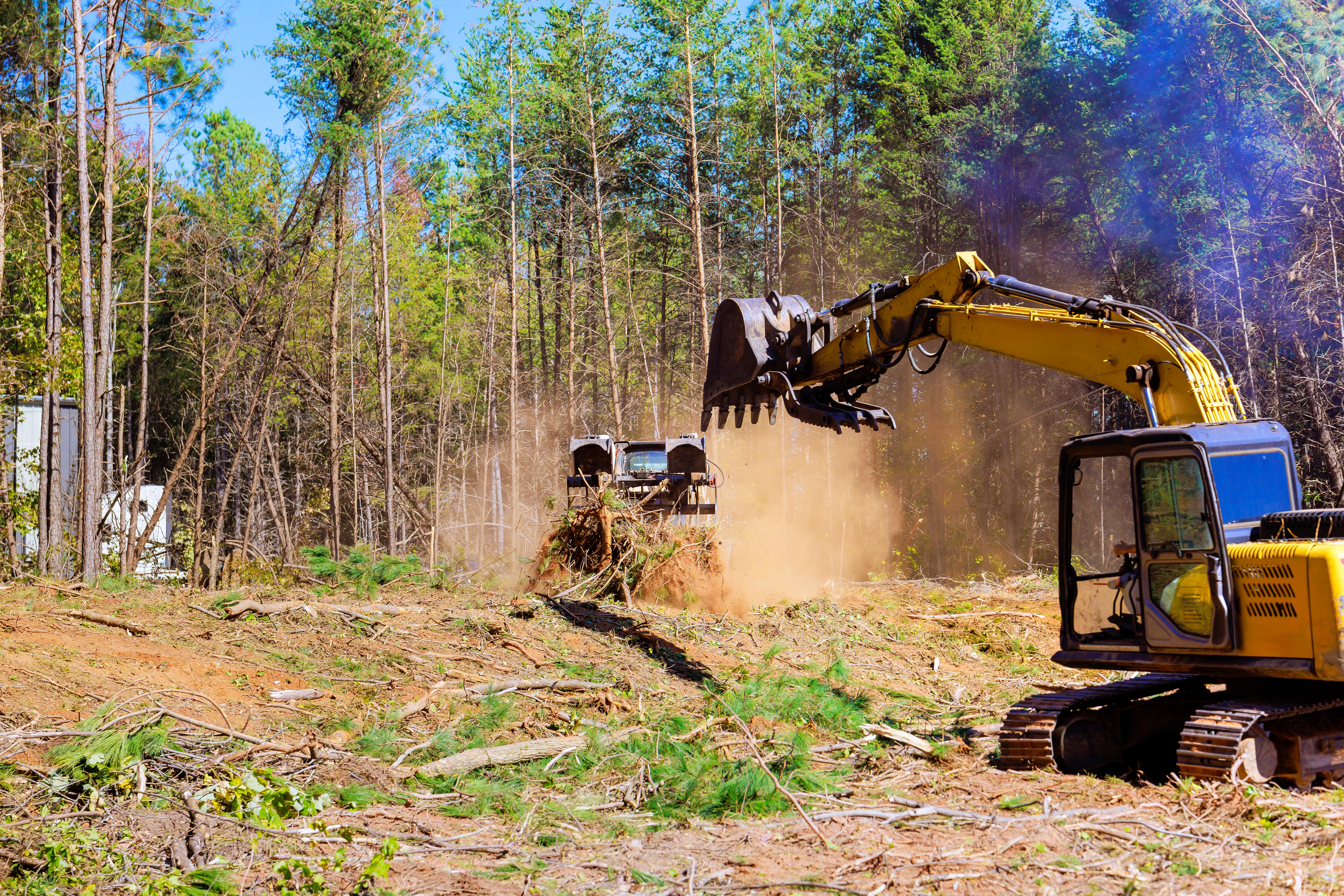
Hazard Tree Removal
Expert tree removal for South Lake Tahoe's alpine and subalpine forests. Focused on hazardous and dead tree removal for fire safety, the crew works safely at elevation with equipment designed for mountain conditions and heavy snowfall.
- Alpine hazardous tree removal
- Dead and dying tree removal
- Storm and snow damage cleanup
- Ladder fuel elimination
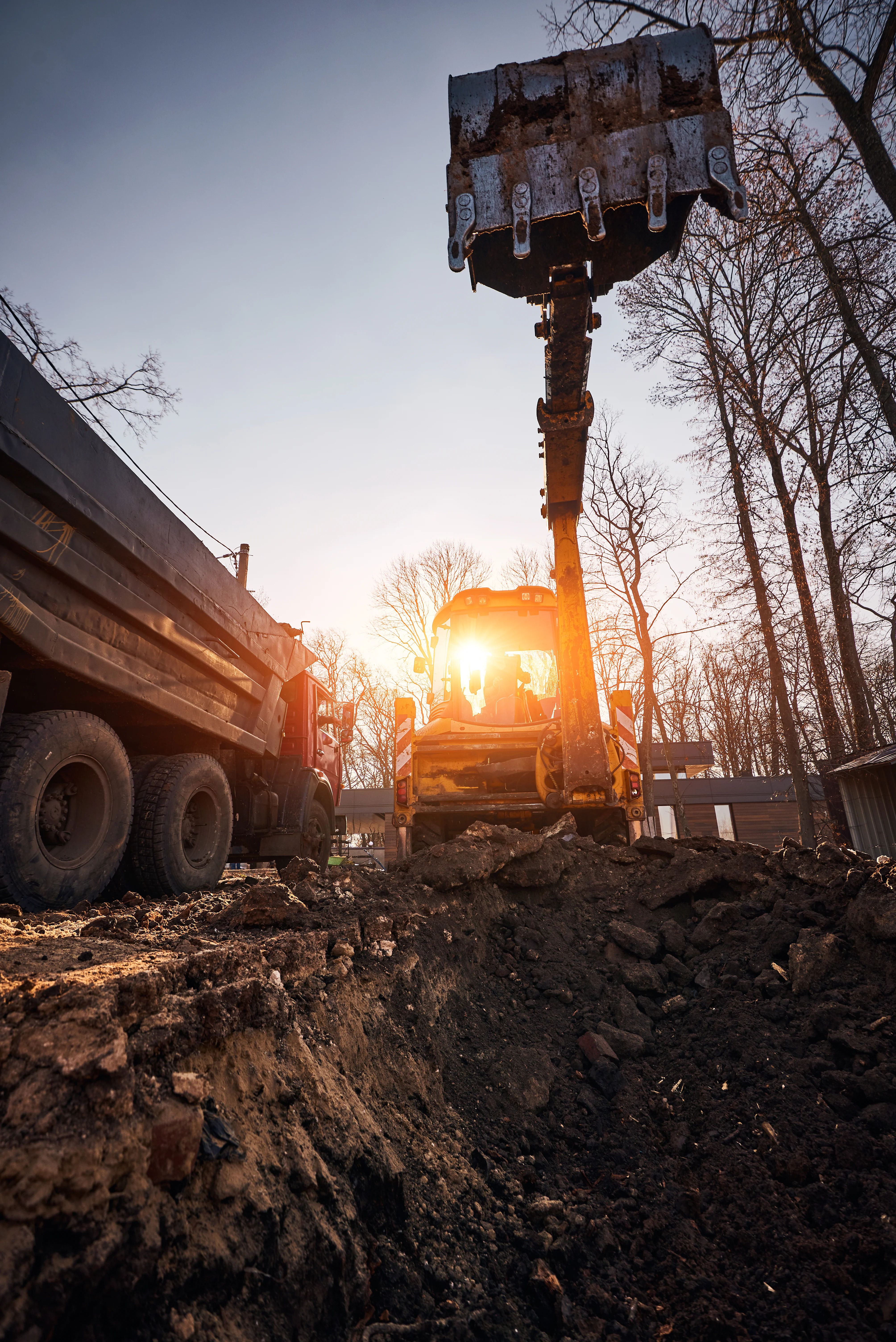
Alpine Excavation & Haul Off
High-elevation excavation for South Lake Tahoe's unique challenges. Foundation work, trenching, and site preparation with equipment engineered for alpine conditions, frozen ground, and steep mountain terrain.
- Alpine foundation excavation
- High-elevation utility trenching
- Steep slope grading
- TRPA-compliant site work
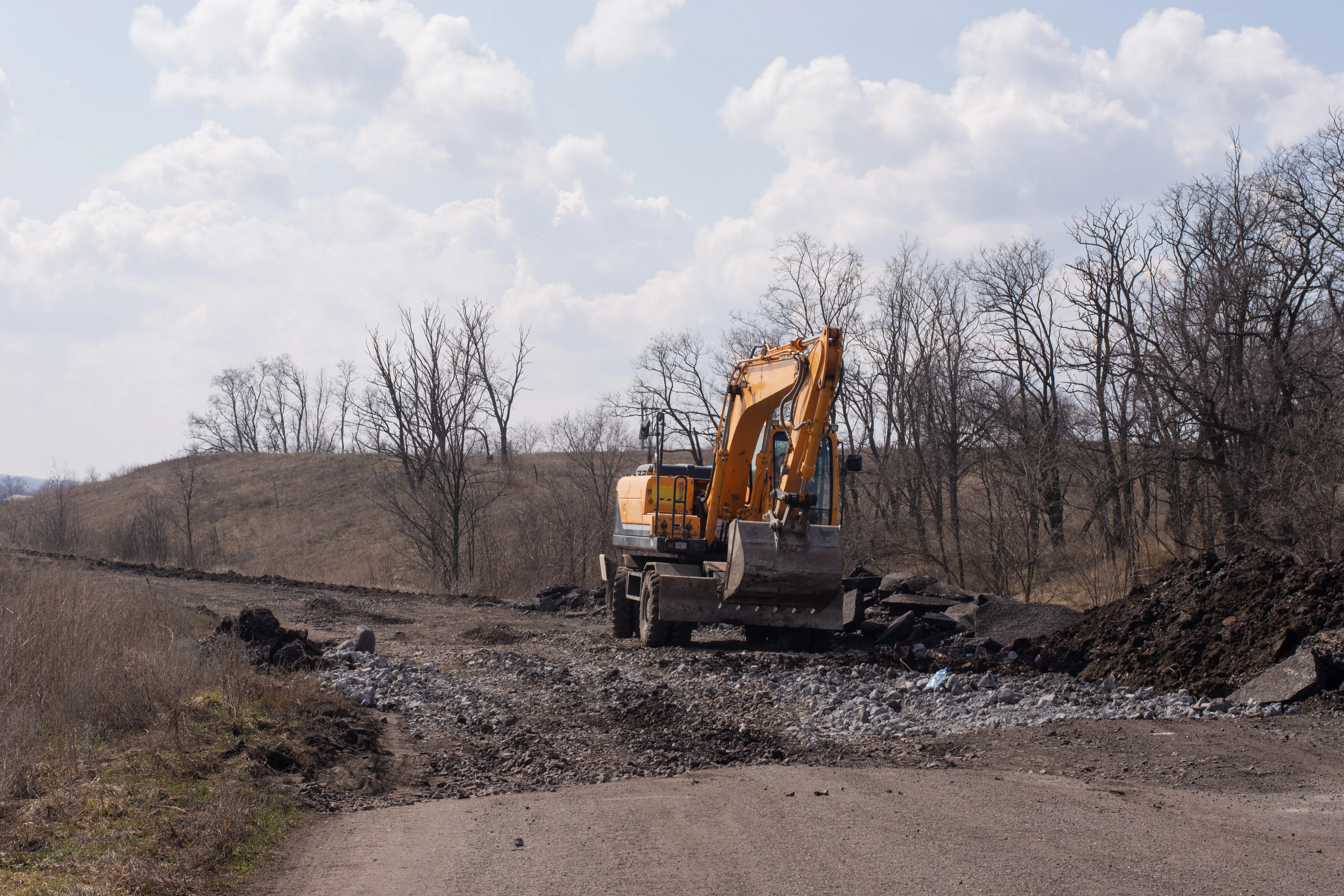
Mountain Road Work
Durable road construction for South Lake Tahoe's extreme conditions. Professional gravel road and driveway installation designed to withstand 88+ inches of annual snow, freeze-thaw cycles, and seasonal access challenges.
- Alpine gravel road construction
- Winter damage repair
- Steep access road installation
- Snowmelt drainage systems
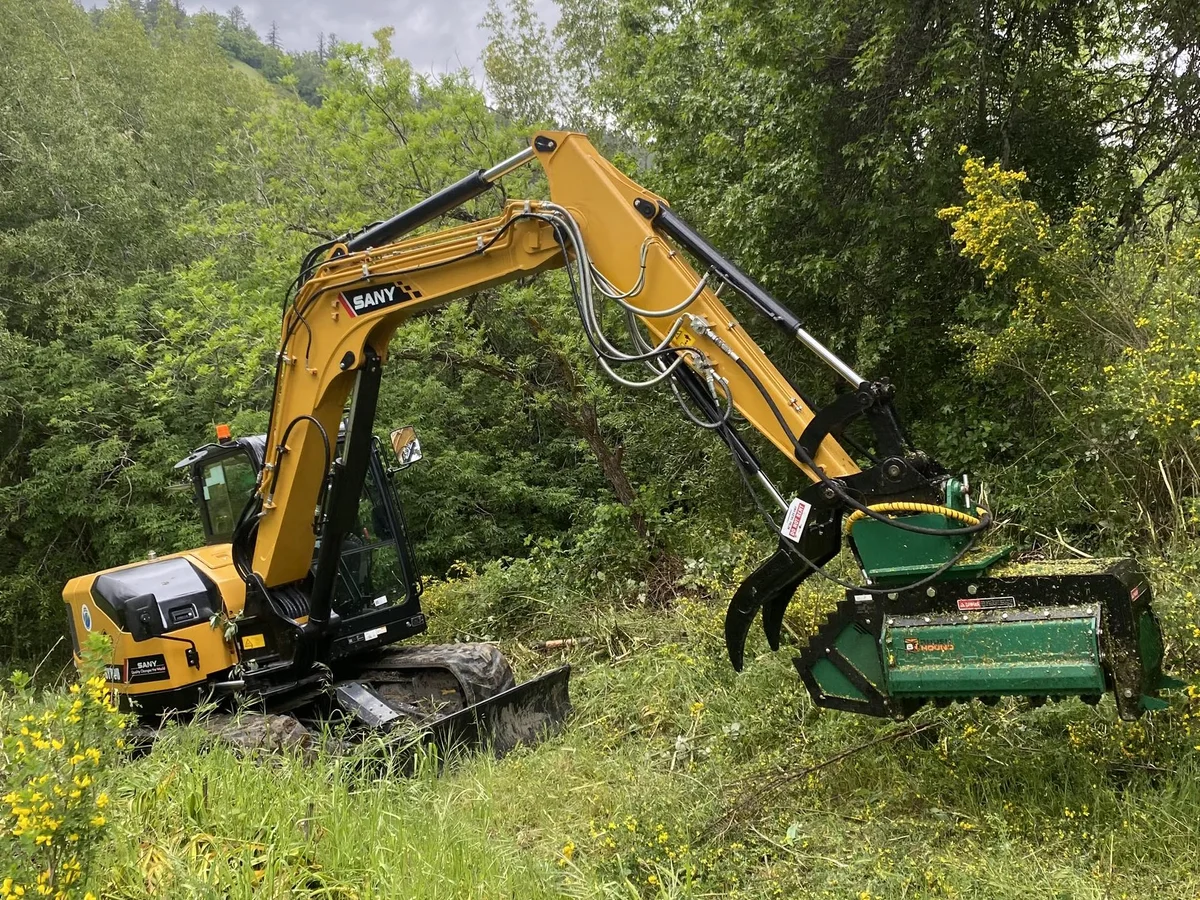
Alpine Vegetation Management
Year-round vegetation management for South Lake Tahoe's alpine environment. Customized programs balancing fire safety, TRPA compliance, and environmental protection in one of California's most sensitive ecosystems.
- TRPA-compliant vegetation control
- Seasonal fire break maintenance
- Alpine brush and understory clearing
- Native plant preservation
South Lake Tahoe Neighborhoods
Brushtech proudly serves all neighborhoods throughout South Lake Tahoe's alpine basin and mountain communities
Heavenly Valley Ski Resort Area
The primary tourist and residential zone surrounding Heavenly Mountain Resort includes both year-round homes and vacation properties. Specialized fire break installation and defensible space creation are available for properties in this high-density alpine forest environment, protecting homes against wildfire while meeting TRPA environmental standards for Lake Tahoe's most developed corridor.
Stateline Casino District
The Nevada border commercial and residential zone features unique fire protection challenges with dense development adjacent to alpine forest. Brushtech serves both commercial properties and nearby residential neighborhoods, providing vegetation management and fire prevention services that protect the basin's most urbanized area from surrounding wildland fire threat.
Tahoe Keys & Lake Tahoe Shoreline
Lakefront and near-lake residential properties require specialized management balancing TRPA lake protection with fire safety. Expert vegetation control and defensible space creation are available for these environmentally sensitive properties, protecting homes while preserving Lake Tahoe's pristine water quality and shoreline ecosystem.
Al Tahoe & Bijou Park
Historic residential neighborhoods on South Lake Tahoe's California side feature older homes surrounded by mature alpine forest. Following the Angora Fire lessons, Brushtech provides comprehensive fire break installation, forest thinning, and year-round vegetation management to protect these established neighborhoods from catastrophic wildfire risk.
Upper Truckee & Christmas Valley
Western basin neighborhoods closer to Echo Summit face extreme wildfire exposure from prevailing winds and forest continuity. Brushtech specializes in aggressive defensible space creation, strategic fuel reduction, and fire break systems designed for South Lake Tahoe's highest-risk residential areas at the wildland-urban interface.
Tahoe Paradise & Sierra Tract
Mountain neighborhoods above the main basin at higher elevations require specialized alpine forest management. Year-round vegetation control, snow-adapted fire breaks, and high-elevation defensible space services are available for properties facing both heavy snowfall and extreme wildfire risk in these elevated alpine communities.
Driving Directions to South Lake Tahoe
From Sacramento
Via Highway 50 East (95 minutes)
- Take Highway 50 East from Sacramento
- Continue through Placerville and Pollock Pines
- Climb Echo Summit (7,382 ft elevation)
- Descend into South Lake Tahoe basin
Distance: ~105 miles | Time: 95-120 minutes
From Reno, Nevada
Via I-580/Highway 395/Highway 50 (60 minutes)
- Take I-580 South from Reno to Highway 395
- Continue south on Highway 395
- Turn west on Highway 50 at Carson City
- Cross Spooner Summit into Tahoe basin
Distance: ~58 miles | Time: 60-75 minutes
From San Francisco Bay Area
Via I-80/Highway 50 (3.5 hours)
- Take I-80 East through Sacramento
- Merge onto Highway 50 East before Sacramento
- Continue over Echo Summit
- Arrive at South Lake Tahoe alpine basin
Distance: ~190 miles | Time: 3.5-4 hours
From Placerville
Via Highway 50 East (70 minutes)
- Take Highway 50 East from Placerville
- Pass through Pollock Pines and Kyburz
- Climb to Echo Summit (7,382 ft)
- Descend to South Lake Tahoe (6,237 ft)
Distance: ~63 miles | Time: 70-90 minutes
Local Landmarks Near South Lake Tahoe
South Lake Tahoe is located at California's alpine border with Nevada. Look for these well-known landmarks:
- Heavenly Ski Resort Gondola - Main village area, iconic alpine landmark
- Stateline Casinos - Harrah's, Harvey's, Montbleu at Nevada border
- Lake Tahoe Visitors Authority - Main highway corridor information center
- South Lake Tahoe Airport - Regional airport serving Tahoe basin
- Tahoe Keys Marina - Major lakefront and residential development
Weather & Seasonal Challenges in South Lake Tahoe
Understanding South Lake Tahoe's extreme alpine climate at 6,237 feet elevation for effective year-round wildfire prevention and property management
Summer Season (June - September)
Temperature Range: 68-78°F daytime, 38-48°F nights
Conditions: Warm alpine days with cool nights. Low humidity (15-25%) and extended dry periods. Intense UV at elevation.
Challenges & Solutions:
- Peak wildfire season at altitude: South Lake Tahoe's alpine elevation creates extreme fire behavior with low humidity, intense sun, and dry forest fuels. Aggressive pre-season defensible space creation and continuous fuel reduction through summer months protect properties from catastrophic alpine forest fires.
- Post-Caldor Fire vigilance required: The 2021 Caldor Fire proved no Lake Tahoe property is immune from wildfire. Comprehensive fire break systems, forest thinning, and year-round vegetation management are specifically designed for properties that faced evacuation and near-destruction from this devastating alpine fire.
- TRPA compliance during fire season: Environmental regulations remain in effect even during peak fire risk. Brushtech navigates Tahoe Regional Planning Agency requirements while providing effective wildfire protection, ensuring your defensible space meets both fire safety and environmental standards simultaneously.
- Tourism season access challenges: Heavy summer tourist traffic creates access delays on Highway 50. Major fire prevention work is scheduled during early season or timed with property owners to ensure efficient completion despite basin congestion during peak vacation months.
Winter Season (November - April)
Temperature Range: 38-45°F daytime, 18-28°F nights
Conditions: Heavy alpine snowfall (150-200 inches annually). Frequent winter storms, icy conditions, and prolonged snow cover.
Challenges & Solutions:
- Extreme snowfall impacts access: South Lake Tahoe receives 150-200 inches of annual snow, creating prolonged service challenges. Specialized alpine equipment handles winter access, and critical fire prevention is scheduled with property owners during brief winter weather windows when highway and property access allows.
- Highway 50 closure risk: Echo Summit frequently closes during severe winter storms, cutting highway access between Sacramento and South Lake Tahoe. Project timing is coordinated around weather forecasts, with contingency schedules to ensure fire prevention work can proceed when road conditions allow safe travel.
- Snow load on vegetation: Heavy snow accumulation causes tree damage and creates future fire fuel. Winter storm damage is assessed in spring, with prompt cleanup of broken branches, damaged trees, and accumulated deadwood before it becomes dangerous fire fuel in subsequent fire season.
- Limited winter fire prevention window: Deep snow limits defensible space work from December through March. The emphasis is on aggressive fall preparation and early spring response to maximize fire safety work during accessible months, preparing properties before snow arrives and responding immediately when spring snowmelt allows access.
Spring Season (May - June)
Temperature Range: 52-65°F daytime, 28-38°F nights
Conditions: Transition from snow season to fire season. Rapid snowmelt, muddy conditions, and increasing dryness as summer approaches.
Challenges & Solutions:
- Critical fire prevention window: Spring is the essential season for South Lake Tahoe fire protection work. After winter snow recedes but before fire season begins, intensive defensible space creation, fire break installation, and forest fuel reduction are scheduled. Property owners must act during this narrow window to prepare for summer wildfire risk.
- Snowmelt access timing: Properties become accessible at different times based on elevation and exposure. Snowmelt progression is tracked throughout the basin, and fire prevention work begins with property owners immediately when each property becomes accessible after winter snow season ends.
- Spring vegetation growth surge: Alpine vegetation grows rapidly during brief spring season with snowmelt moisture. Brush clearing and vegetation management are scheduled to intercept this growth before it dries into summer fire fuel, maximizing fire protection effectiveness for the upcoming fire season.
- TRPA seasonal restrictions: Environmental regulations may limit certain activities during spring nesting season and lake protection periods. Brushtech navigates these restrictions while maximizing fire prevention work, ensuring compliance with TRPA requirements while protecting your property from summer wildfire threat.
Fall Season (September - October)
Temperature Range: 58-68°F daytime, 32-42°F nights
Conditions: Continued dry conditions with decreasing temperatures. Fire season extends into fall, with early snow possible by late October.
Challenges & Solutions:
- Extended fire season at elevation: South Lake Tahoe's fire risk continues deep into fall despite cooling temperatures. Fire prevention services continue through October, addressing ongoing wildfire threat that persists until significant snow arrives to suppress fire danger in alpine forests.
- Fall fire behavior intensification: California wildfires increasingly burn into autumn months with climate change impacts. Continued defensible space maintenance and fuel management through fall season protect properties from late-season fires that can behave as aggressively as summer blazes.
- Pre-winter preparation window: Fall offers final opportunity to complete fire prevention work before winter snow arrives. Brushtech helps property owners schedule remaining projects, equipment access, and vegetation management to finish all fire safety improvements before deep snow makes work impossible until next spring.
- Early snow variability: First significant snow can arrive anywhere from late September to early November. Weather forecasts are monitored closely and flexible scheduling is coordinated with property owners, working efficiently to complete fall fire prevention projects before winter weather ends the accessible season.
Elevation-Specific Considerations
South Lake Tahoe's elevation of 6,237 feet in California's alpine zone creates unique characteristics:
- True alpine climate challenges: At 6,237 feet elevation, South Lake Tahoe experiences genuine alpine conditions rare in California's populated areas. Heavy snowfall (150-200 inches), intense UV radiation, rapid weather changes, and extreme temperature swings demand specialized equipment, alpine expertise, and year-round strategic planning for effective property management.
- Severe fire behavior at altitude: Alpine elevation creates extreme wildfire conditions–low humidity, intense solar heating, steep terrain, continuous forest fuels, and unpredictable wind patterns. The Angora Fire (2007) and Caldor Fire (2021) proved that Lake Tahoe properties face catastrophic fire risk requiring aggressive, sustained prevention measures beyond standard defensible space.
- TRPA environmental compliance mandatory: Tahoe Regional Planning Agency regulations govern all land management activities around Lake Tahoe. Brushtech possesses deep TRPA knowledge, navigating environmental restrictions while providing effective wildfire protection. This expertise ensures your fire prevention work meets both safety requirements and strict environmental standards protecting Lake Tahoe's pristine ecosystem.
- Seasonal access severely limited: Heavy winter snowfall restricts property access and limits fire prevention work to approximately 6-8 accessible months annually. Success requires strategic planning–aggressive fall preparation, immediate spring response, and continuous summer maintenance. Brushtech coordinates multi-season programs ensuring your property stays protected despite South Lake Tahoe's challenging alpine calendar.
- Tourism economy impacts service delivery: As a major resort destination, South Lake Tahoe experiences massive population fluctuations and traffic congestion. Work is scheduled strategically around peak tourism periods, coordinated with vacation rental schedules, and timed flexibly to serve both year-round residents and vacation property owners effectively.
Why Choose Brushtech in South Lake Tahoe
Alpine Expertise
Specialized experience at 6,200+ feet elevation with equipment designed for true alpine conditions. Brushtech understands South Lake Tahoe's unique challenges - from heavy snowfall to steep terrain to environmental sensitivity.
TRPA Compliance
Deep knowledge of Tahoe Regional Planning Agency regulations. Brushtech navigates TRPA requirements while providing effective wildfire protection, ensuring your project meets all environmental standards.
Proven Fire Protection
Experience protecting properties in areas affected by the Angora and Caldor fires. Brushtech understands what South Lake Tahoe property owners need - defensible space that actually works in alpine forest fires.
Seasonal Service Planning
Strategic approach to South Lake Tahoe's seasonal challenges. Brushtech helps plan fire prevention work during accessible months and provides emergency response when Highway 50 conditions allow.
Frequently Asked Questions - South Lake Tahoe
Do you provide brush clearing services in South Lake Tahoe's alpine environment?
Yes. Brushtech specializes in alpine vegetation management at 6,200+ feet elevation. The equipment is specifically designed for South Lake Tahoe's steep terrain, heavy snowfall, and environmental sensitivity. All work complies with both TRPA and CAL FIRE requirements.
How can I protect my Lake Tahoe property from wildfire after the Caldor Fire?
The Caldor Fire proved that no Lake Tahoe property is immune from wildfire risk. Brushtech provides comprehensive protection through fire break installation, defensible space creation, forest thinning, and fuel reduction - all designed for alpine conditions and TRPA compliance.
What equipment do you use for vegetation management at 6,200+ foot elevation?
Brushtech uses specialized equipment engineered for high-elevation work, including machines rated for alpine conditions, steep slopes, and environmental sensitivity. This equipment handles South Lake Tahoe's terrain while minimizing ground disturbance and meeting TRPA standards.
Can you create defensible space that meets TRPA and CAL FIRE requirements?
Absolutely. Brushtech specializes in navigating both TRPA environmental regulations and CAL FIRE defensible space requirements, creating 100-foot zones that protect your property from wildfire while preserving Lake Tahoe's natural ecosystem and meeting all regulatory standards.
Do you offer seasonal fire break services before fire season in South Lake Tahoe?
Yes. Scheduling fire prevention work in late spring or early summer, after snowmelt but before peak fire season, is recommended. Brushtech can plan defensible space creation, fuel reduction, and fire break installation during optimal access windows for your South Lake Tahoe property.
Ready to Protect Your South Lake Tahoe Property?
Get a free quote for professional alpine wildfire prevention and vegetation management