Land Clearing & Brush Removal in Colfax, CA
Mountain Wildfire Protection Specialists for High-Risk Designated Communities
Protecting Colfax's High Wildfire Risk Mountain Community
Brushtech Land Management proudly serves Colfax, the historic railroad town officially designated as a HIGH wildfire risk zone in the Sierra Nevada foothills. Located at 2,425 feet elevation along the I-80 corridor where the Sierra climb begins, Colfax properties face unique challenges that demand specialized mountain expertise and year-round fire prevention vigilance.
As the gateway to Tahoe National Forest with granitic and metamorphic rock substrate, Colfax requires land management professionals who understand mountain terrain, rocky conditions, and CAL FIRE high-hazard zone compliance. Brushtech is committed to protecting this small mountain community of 1,995 residents with proven wildfire prevention strategies and proper equipment for elevation and terrain challenges.
Mountain Wildfire Protection Services in Colfax
Comprehensive land management for high-risk mountain terrain with specialized equipment for rocky substrate and elevation conditions
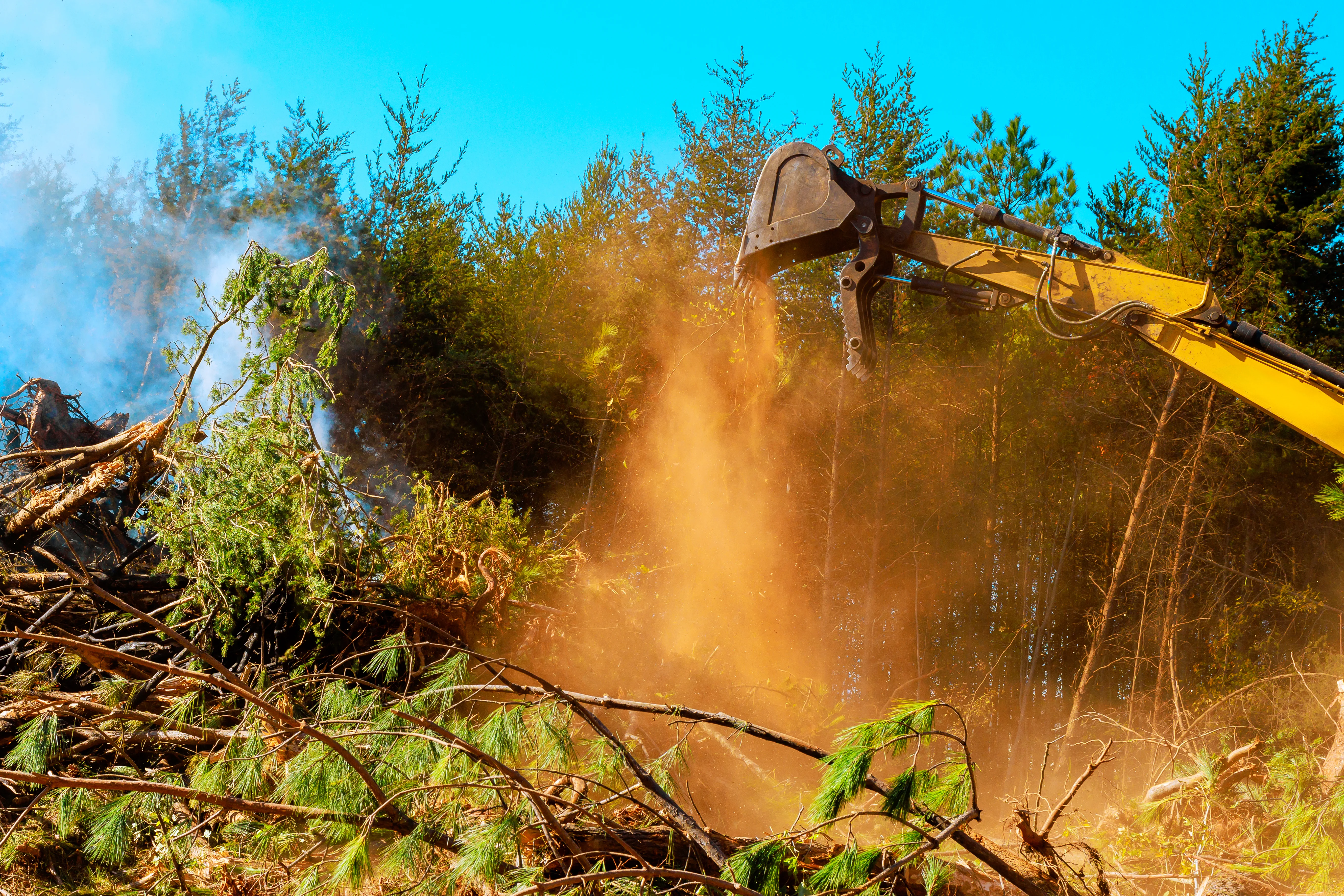
Brush Removal & Fire Breaks
Essential wildfire defense for Colfax's officially designated HIGH-RISK zone. Brushtech creates CAL FIRE-compliant defensible space and strategic fire breaks specifically designed for mountain communities facing extreme wildfire threat.
- 100-foot+ defensible space for high-risk zones
- Fuel reduction in mountain vegetation
- Strategic fire break installation
- Year-round maintenance programs
- CAL FIRE high-hazard compliance
- Tahoe National Forest interface protection
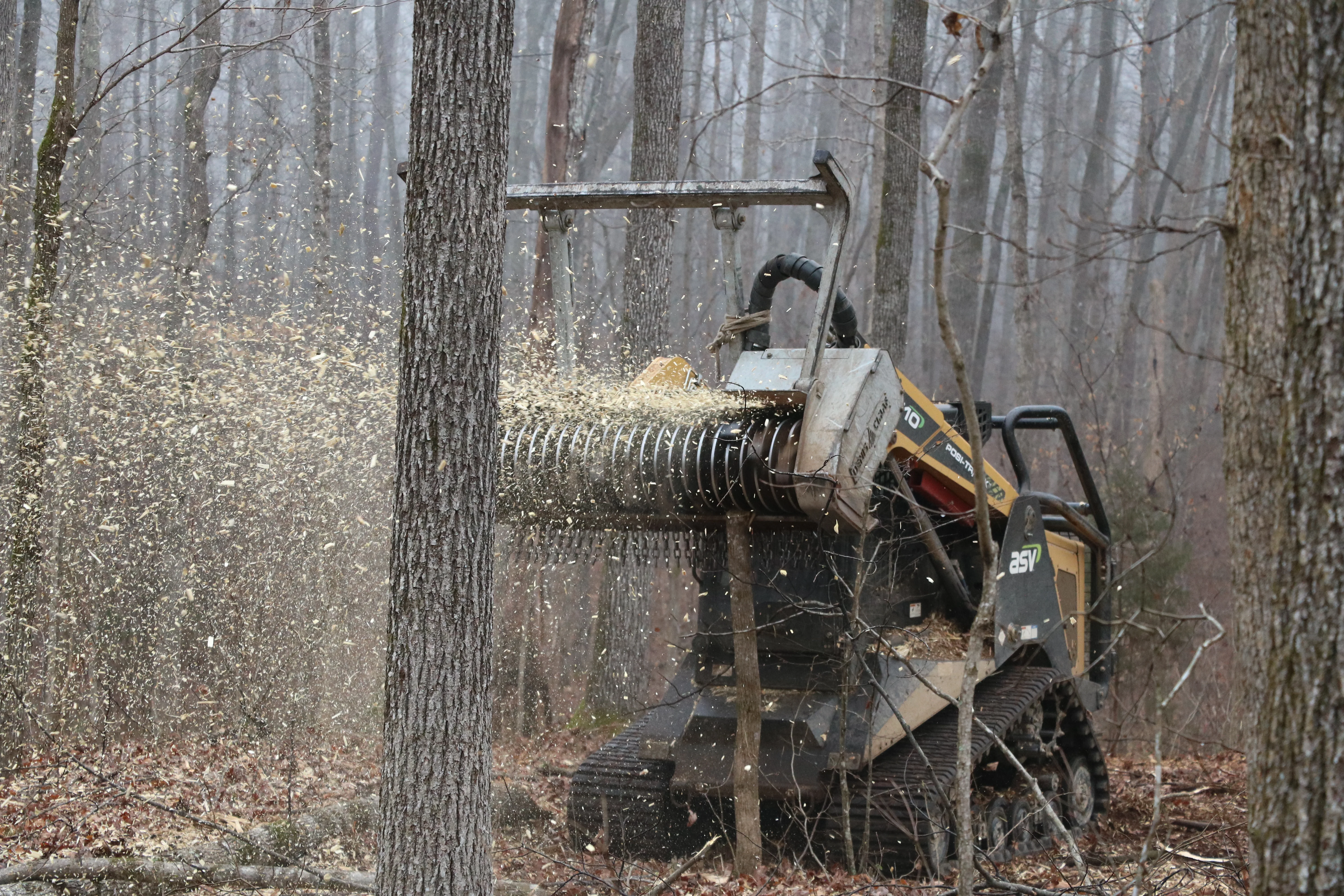
Land Clearing
Expert clearing for Colfax's mountain terrain with rocky granitic and metamorphic substrate. Whether preparing for construction or improving fire safety, the crew handles 2,425-foot elevation conditions and challenging rocky ground.
- Mountain terrain lot clearing
- Rocky substrate excavation
- Selective clearing (preserve healthy trees)
- Stump removal in rocky soil
- Slope stabilization and grading
- Wildfire risk reduction clearing
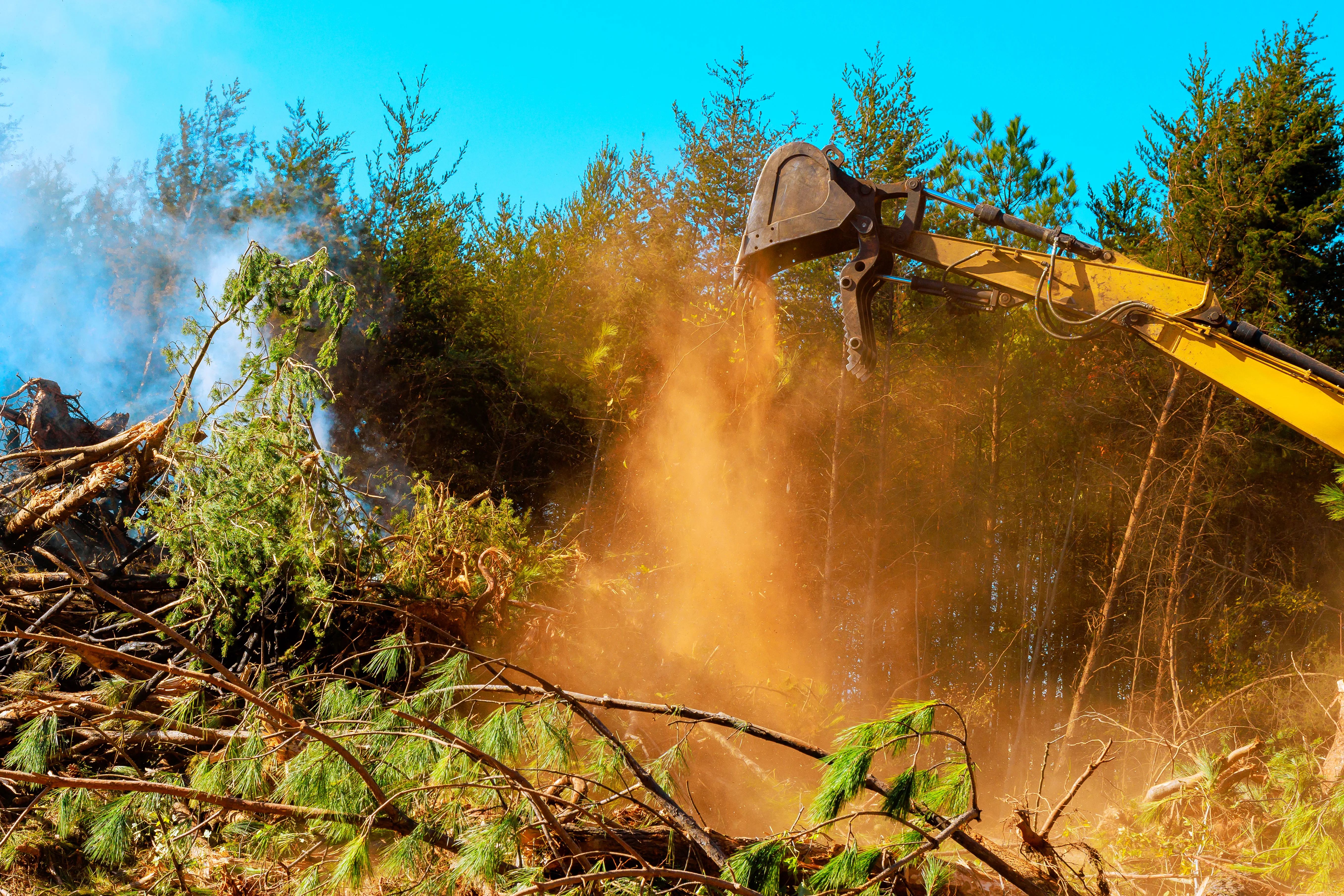
Hazard Tree Removal
Critical fuel reduction and tree removal for Colfax's high-risk mountain environment. Through hazardous and dead tree removal and strategic fuel reduction, the crew lowers fire fuel loads while maintaining property safety at elevation.
- Hazardous mountain tree removal
- Fuel load reduction
- Deadwood and ladder fuel removal
- Storm damage cleanup
- Crown spacing for fire safety
- Elevation-appropriate techniques
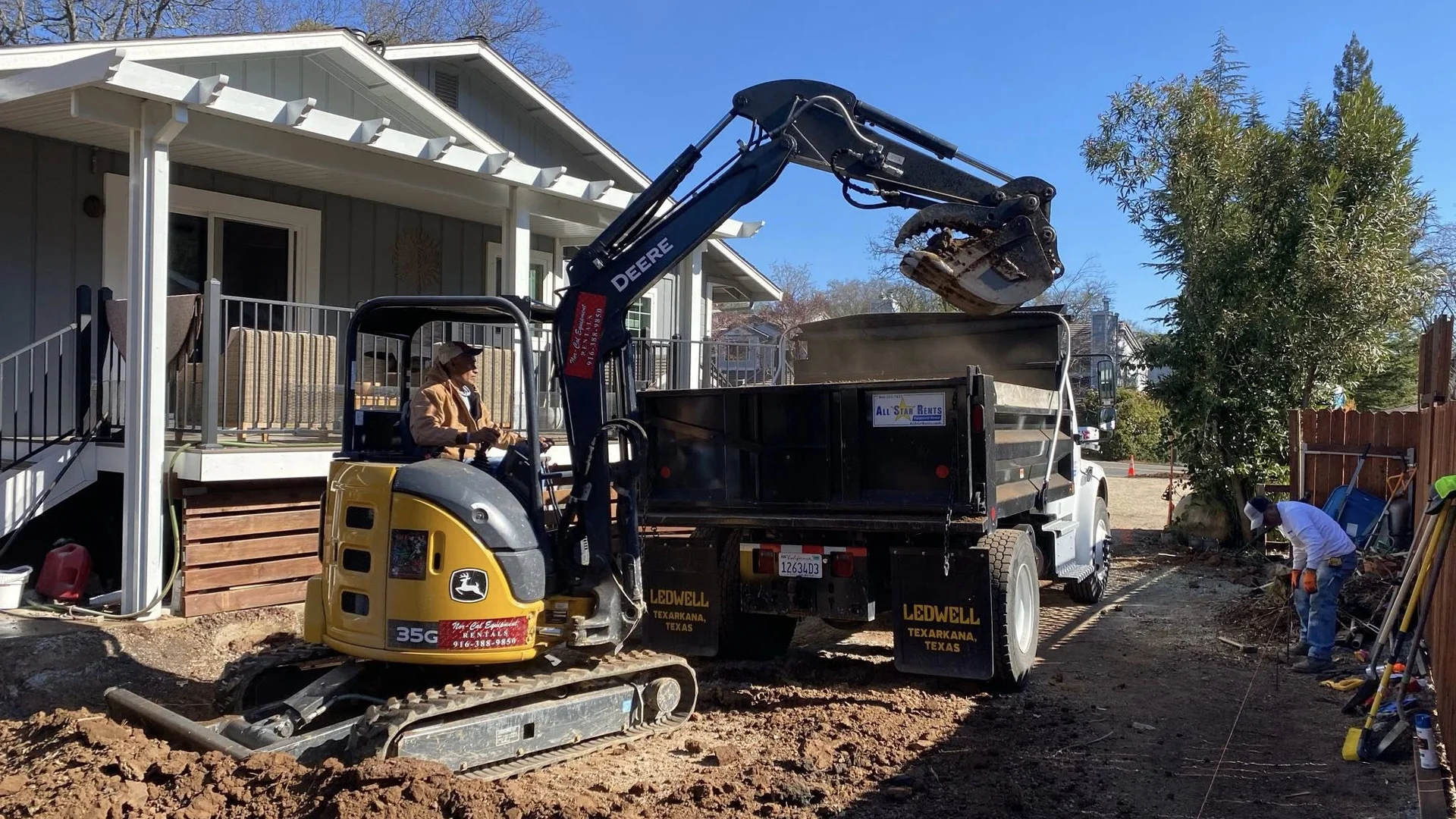
Excavation & Haul Off
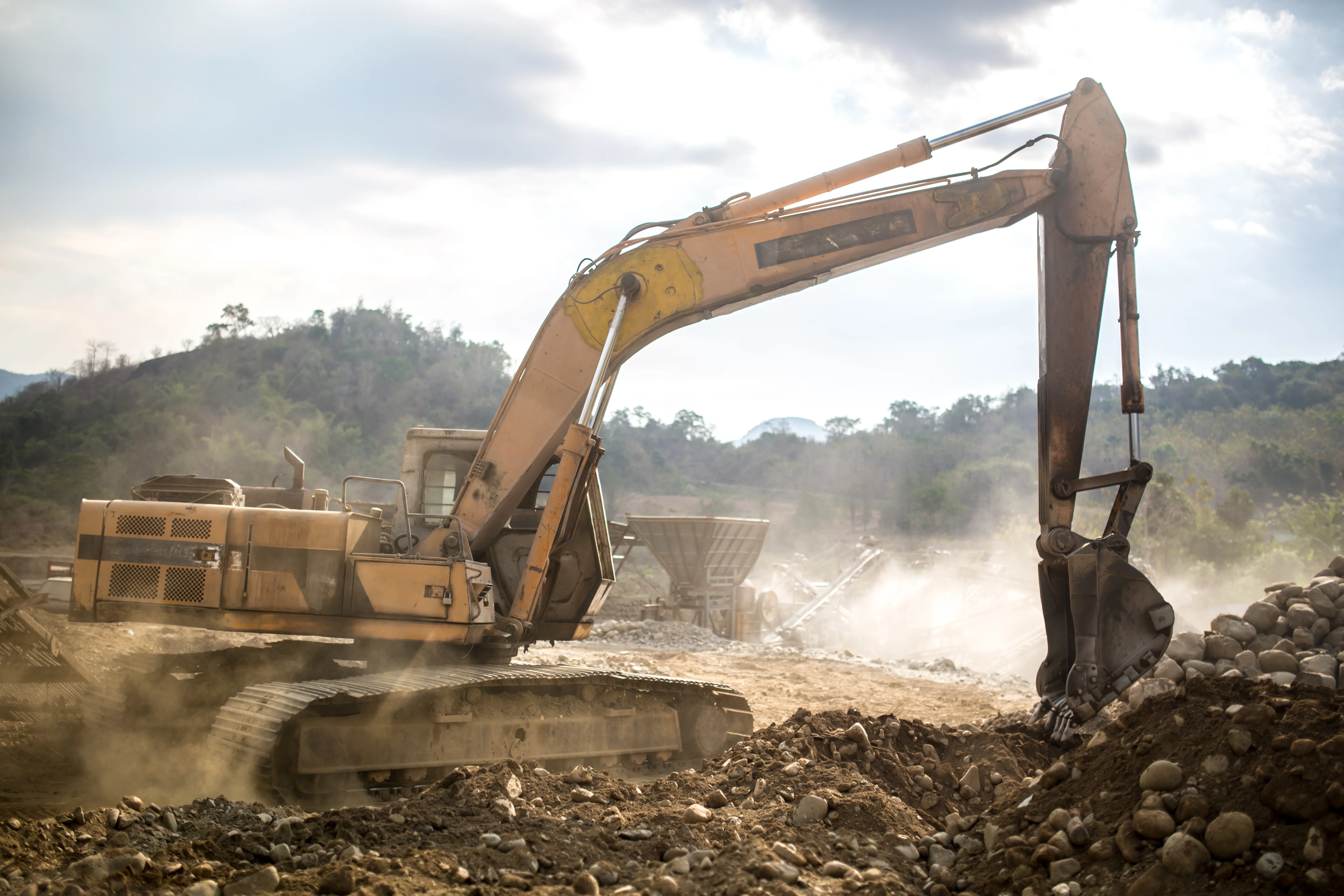
Professional excavation for Colfax's challenging 2,425-foot elevation and granitic rock conditions. Foundation work, trenching, and site preparation with equipment designed for mountain terrain and rocky substrate.
- Rocky terrain foundation excavation
- Mountain grade trenching
- Granitic/metamorphic rock handling
- Elevation-appropriate grading
- Site preparation for rocky ground
- Specialized mountain equipment
Dirt & Gravel Road Work
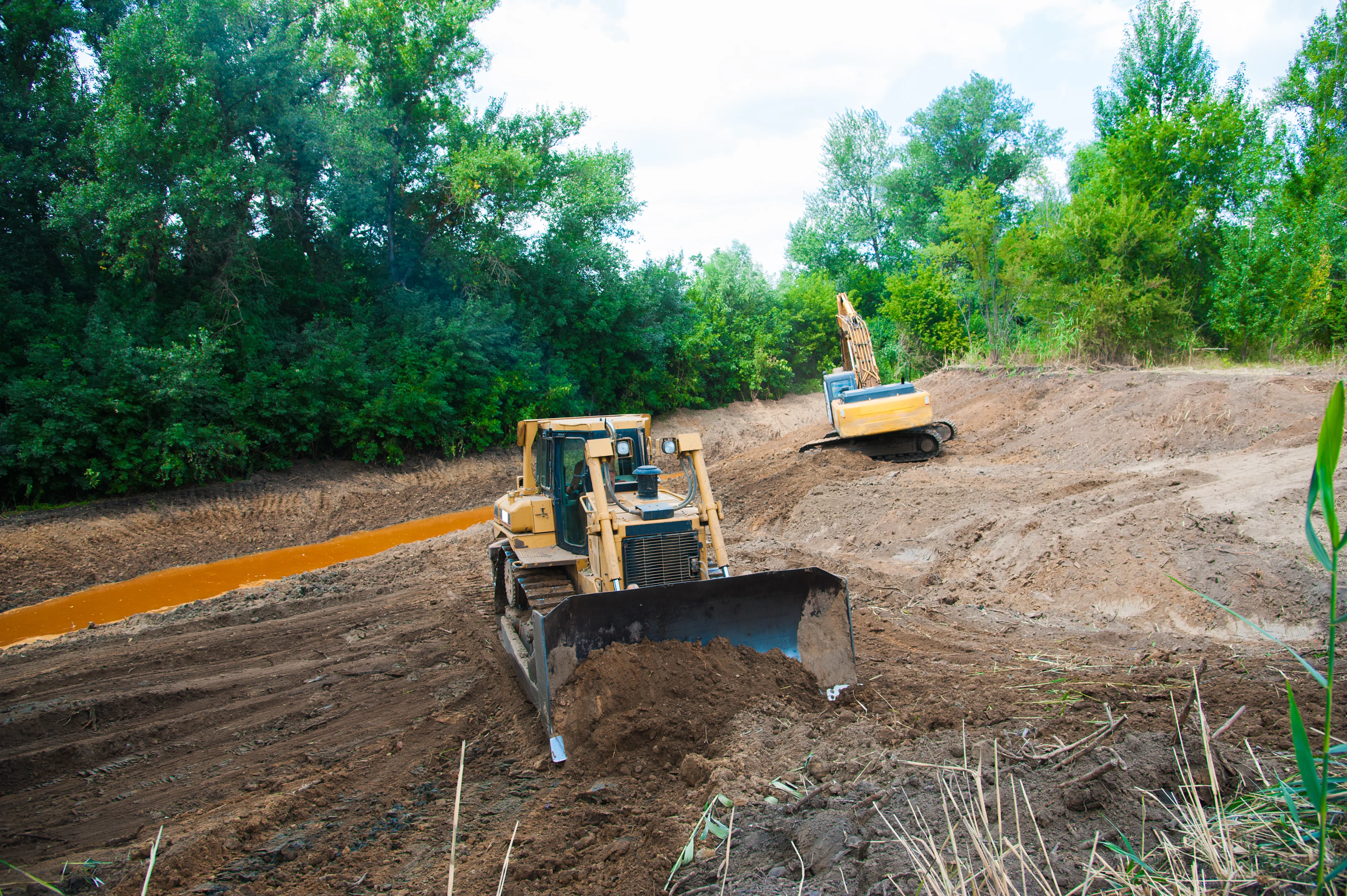
Essential mountain access road construction and maintenance for Colfax's I-80 corridor properties. Quality gravel road work ensuring emergency access and fire equipment mobility on steep terrain.
- Mountain gravel road construction
- Steep grade road maintenance
- Emergency access improvements
- Fire equipment access roads
- Driveway installation on slopes
- Drainage for mountain conditions
Vegetation Management
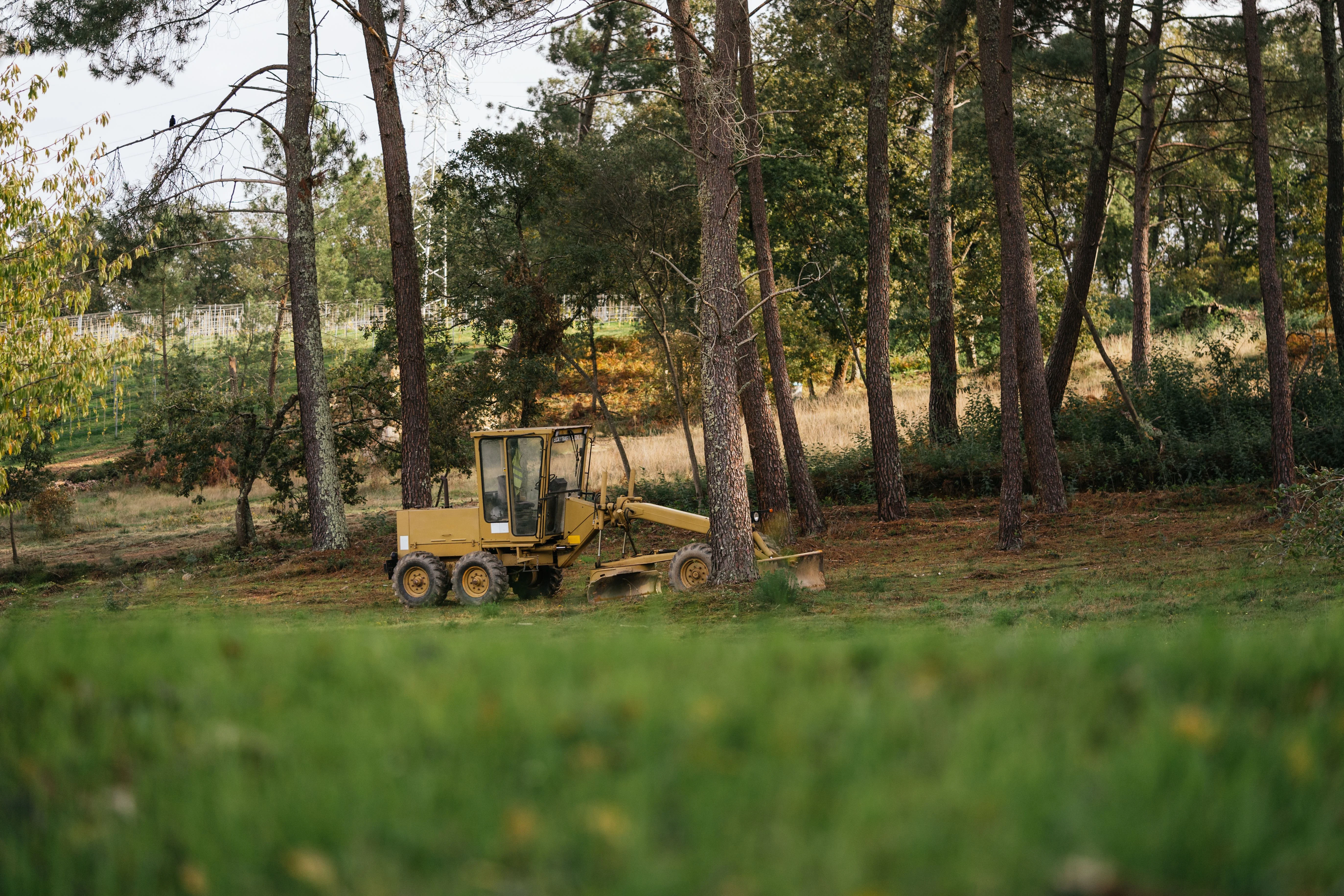
Year-round fire prevention vegetation control for Colfax's high-risk designation. Continuous management plans maintain your mountain property's safety through all seasons in this critical wildfire zone.
- Year-round fire risk reduction
- High-risk zone maintenance programs
- Invasive species control
- Seasonal fuel load management
- Native vegetation preservation
- Mountain weed abatement
Colfax Neighborhoods
Serving all neighborhoods throughout Colfax's mountain community and I-80 corridor properties
Historic Downtown Colfax
The original railroad town center preserves Colfax's heritage dating to the 1905 depot era, with historic buildings and established residential properties on steep terrain. Brushtech provides specialized wildfire protection and vegetation management for these mountain properties, navigating rocky substrate and elevation challenges while protecting Colfax's historic character from the officially designated HIGH wildfire risk.
Canyon Way & Mountain Residential
Hillside neighborhoods surrounding downtown feature homes built on Colfax's characteristic granitic and metamorphic rock terrain at 2,425 feet elevation. Brushtech specializes in fire break installation and defensible space creation for these challenging mountain properties, using equipment designed for steep slopes, rocky ground, and high-risk zone fire prevention requirements.
I-80 Corridor Properties
Commercial and residential properties along the Interstate 80 corridor face unique fire protection challenges combining highway exposure with Tahoe National Forest proximity. Comprehensive brush removal, fire break maintenance, and year-round vegetation management are available for properties in this critical transportation route through Colfax's high-risk designated zone.
Rollins Lake Access Area
Properties near Rollins Lake and surrounding mountain terrain experience extreme wildfire exposure from continuous forest fuels and steep topography. Brushtech delivers aggressive defensible space creation, forest thinning, and strategic fire breaks designed for Colfax's most remote and fire-vulnerable mountain properties requiring specialized high-elevation access and equipment.
Driving Directions to Colfax
From Auburn
Via I-80 East (12 minutes)
- Take I-80 East from Auburn
- Climb into Sierra foothills
- Exit at Colfax (Exit 135)
- Arrive in historic railroad mountain town
Distance: ~9 miles | Time: 12-15 minutes
From Sacramento
Via I-80 East (55 minutes)
- Take I-80 East toward Reno
- Continue through Roseville and Auburn
- Climb to 2,425 ft elevation
- Exit at Colfax in mountain country
Distance: ~52 miles | Time: 55-70 minutes
From Grass Valley/Nevada City
Via Highway 174 South (25 minutes)
- Take Highway 174 South from Grass Valley
- Descend through mountain terrain
- Arrive at Colfax from the north
- Access I-80 corridor at historic depot town
Distance: ~18 miles | Time: 25-30 minutes
From Truckee/Tahoe
Via I-80 West (45 minutes)
- Take I-80 West from Truckee
- Descend from higher elevations
- Pass through mountain corridor
- Exit at Colfax (gateway to foothills)
Distance: ~38 miles | Time: 45-55 minutes
Local Landmarks Near Colfax
Colfax is located on I-80 in the Sierra Nevada foothills at 2,425 feet elevation. Look for these well-known landmarks:
- Colfax Amtrak Station - Historic 1905 depot on railroad mainline
- Southern Pacific Railroad Overpass - Iconic I-80 landmark
- Colfax Downtown Exit (Exit 135) - Main I-80 access point
- Rollins Lake Turnoff - Mountain recreation area access
- Sierra Nevada Foothills Gateway Sign - I-80 corridor marker
Weather & Seasonal Challenges in Colfax
Understanding Colfax's mountain climate at 2,421 feet elevation and HIGH wildfire risk designation for year-round fire prevention
Summer Season (June - September)
Temperature Range: 88-95°F daytime, 58-65°F nights
Conditions: Hot mountain summers with low humidity (12-20%). Extreme fire danger due to HIGH-RISK official designation.
Challenges & Solutions:
- HIGH-RISK wildfire season intensity: Colfax's official HIGH wildfire risk designation means summer represents catastrophic fire danger at 2,425 feet elevation. Brushtech provides aggressive pre-season defensible space creation, continuous fuel reduction, and year-round fire break maintenance specifically designed for properties in California's most dangerous fire zones along the I-80 corridor.
- Mountain fire behavior severity: Steep terrain, continuous Tahoe National Forest fuels, granitic rock substrate limiting vegetation moisture, and prevailing winds create extreme fire conditions. The crew implements comprehensive wildfire protection combining forest thinning, strategic fuel gaps, and defensible space zones engineered for Colfax's proven catastrophic fire risk.
- Rocky terrain equipment challenges: Summer fire prevention work on Colfax's granitic and metamorphic rock substrate requires specialized heavy equipment. Brushtech maintains machinery specifically designed for mountain elevation, rocky ground, and steep slopes, ensuring effective defensible space creation despite Colfax's challenging terrain and substrate conditions.
- Emergency access road requirements: CAL FIRE high-hazard zones mandate emergency vehicle access and turnarounds. Brushtech designs and maintains fire equipment access roads on Colfax mountain properties, ensuring compliance with regulations while creating critical evacuation routes for properties in this HIGH wildfire risk community.
Winter Season (December - March)
Temperature Range: 48-55°F daytime, 35-42°F nights
Conditions: Moderate mountain winters with 35-45 inches annual rainfall. Occasional snow at 2,425 ft elevation but generally accessible.
Challenges & Solutions:
- Year-round fire prevention planning: Winter is critical for planning summer wildfire protection in high-risk zones. Brushtech works with Colfax property owners during wet season to design comprehensive fire break systems, identify fuel reduction priorities, and schedule spring implementation before fire season returns to this dangerous mountain corridor.
- Storm damage creates future fire fuel: Winter storms damage trees and create deadwood accumulation on Colfax's steep mountain terrain. Storm damage is assessed during wet season and spring cleanup is scheduled, removing broken branches and damaged trees before they dry into catastrophic fire fuel for summer fire season.
- I-80 corridor winter access maintained: Unlike higher elevation communities, Colfax remains accessible during most winter weather due to 2,425-foot elevation and I-80 snow removal priority. Year-round service capability addresses emergency fire prevention needs and winter storm cleanup even during wet season.
- Rocky substrate drainage challenges: Granitic and metamorphic rock limits water infiltration, creating runoff issues during heavy winter rainfall. Brushtech designs and installs drainage solutions for Colfax mountain properties, protecting fire access roads and preventing erosion that could compromise summer emergency access.
Spring Season (April - May)
Temperature Range: 68-78°F daytime, 48-55°F nights
Conditions: Transition from wet to dry season. Critical window for fire prevention work before summer high-risk season.
Challenges & Solutions:
- CRITICAL fire prevention implementation window: Spring is the essential season for completing Colfax wildfire protection work. Between winter storms and summer fire season, Brushtech schedules intensive defensible space creation, fire break installation, and forest fuel reduction. Property owners in HIGH-RISK zones must act during this narrow window to prepare for catastrophic summer fire danger.
- CAL FIRE compliance deadline pressure: High-hazard zone regulations require defensible space completion before fire season. Brushtech works efficiently during spring to ensure Colfax properties meet all CAL FIRE requirements, creating compliant zones that protect mountain homes while satisfying strict enforcement deadlines for designated high-risk areas.
- Spring vegetation growth management: Mountain vegetation grows rapidly with spring moisture before drying into summer fire fuel. Aggressive brush clearing and understory removal are scheduled during spring growth period, eliminating fire fuel before it matures and creating maximum protection effectiveness for upcoming fire season.
- Equipment access optimization: Spring offers ideal conditions for heavy equipment access on Colfax's mountain terrain–ground firm after winter rains but not yet parched from summer drought. Brushtech maximizes spring productivity, completing complex rocky substrate excavation and steep slope work during this optimal equipment access window.
Fall Season (October - November)
Temperature Range: 72-82°F daytime, 50-58°F nights
Conditions: Extended fire season with continued high risk. Moderate temperatures but dangerous fire conditions persist.
Challenges & Solutions:
- Fall fire season extension in high-risk zones: Colfax's HIGH wildfire risk designation means fire danger continues deep into fall despite cooling temperatures. Brushtech maintains aggressive fire prevention services through October and November, addressing ongoing catastrophic fire threat that persists until significant rainfall arrives to suppress fire danger.
- California wildfire season now extends year-round: Climate change pushes destructive fires into autumn and early winter months. Brushtech emphasizes continued defensible space maintenance and fuel management through fall season, protecting Colfax properties from late-season fires burning with summer intensity along the I-80 mountain corridor.
- Pre-winter fire break completion: Fall offers final opportunity to finish fire prevention projects before winter weather. Brushtech helps Colfax property owners complete remaining defensible space work, fire break installation, and access road improvements before wet season limits heavy equipment mobility on mountain terrain.
- Post-summer fire fuel assessment: Fall is excellent timing for evaluating summer's vegetation growth and planning next year's fire prevention. Brushtech assesses Colfax properties after fire season, identifying new fuel accumulation and designing comprehensive maintenance programs for properties in this permanently designated HIGH wildfire risk zone.
Elevation-Specific Considerations
Colfax's elevation of 2,421 feet in the Sierra Nevada foothills creates unique characteristics:
- Mountain elevation fire behavior severity: At 2,421 feet elevation, Colfax occupies the critical wildland-urban interface where residential development meets continuous Tahoe National Forest fuels. This elevation creates extreme fire conditions–steep terrain accelerates fire spread, rocky substrate limits vegetation moisture, prevailing winds push fires upslope, and continuous forest creates catastrophic crown fire potential requiring aggressive year-round prevention.
- Official HIGH wildfire risk designation consequences: Colfax's HIGH-RISK designation isn't arbitrary–it reflects proven catastrophic fire potential based on elevation, terrain, fuel loads, and fire history. This designation mandates enhanced defensible space (minimum 100 feet), requires specific fire break standards, and demands year-round vigilance. Brushtech specializes in meeting these strict requirements for properties in California's most dangerous fire zones.
- Granitic and metamorphic rock substrate challenges: Colfax's geological foundation creates unique land management difficulties. Rocky substrate requires specialized excavation equipment, limits root depth affecting vegetation stability, impacts drainage and water retention, and complicates fire break installation. Brushtech maintains heavy machinery specifically designed for these mountain rock conditions unavailable to standard contractors.
- I-80 corridor strategic importance: As a key I-80 community, Colfax serves as gateway between Sacramento Valley and Tahoe region. This position creates unique challenges–highway traffic increases ember exposure, tourism economy creates vacation property protection needs, and transportation corridor position makes wildfire evacuation critical. Brushtech designs fire protection recognizing Colfax's strategic location and evacuation route importance.
- Small mountain community specialized service: With just 1,995 residents, Colfax deserves personalized wildfire protection rather than one-size-fits-all approaches. Brushtech provides customized fire prevention designed for each property's specific exposure, terrain challenges, and historic value, respecting this railroad heritage town while delivering modern protection required for HIGH-RISK mountain communities.
Why Choose Brushtech in Colfax's High-Risk Zone
Mountain Wildfire Expertise
Specialized experience in officially designated HIGH-RISK mountain communities. Brushtech understands Colfax's unique challenges at 2,425 feet elevation, from Tahoe National Forest interface to I-80 corridor fire behavior.
CAL FIRE High-Hazard Compliance
Deep knowledge of CAL FIRE requirements for high-risk designated zones in Placer County. Brushtech ensures your mountain property exceeds fire safety regulations for maximum protection in this critical area.
Rocky Terrain Equipment
Specialized machinery for Colfax's granitic and metamorphic rock substrate. Professional equipment handles mountain elevation, rocky ground, and steep terrain that standard contractors can't manage effectively.
Small Community Commitment
Dedicated protection for Colfax's 1,995 residents and historic railroad town character. Brushtech balances aggressive wildfire prevention with respect for this mountain community's heritage since the 1905 depot era.
Year-Round Fire Prevention
Continuous vigilance appropriate for high-risk designation. Not seasonal service–Colfax properties are maintained year-round because mountain wildfire risk demands constant attention.
Emergency Response Ready
Rapid deployment for fire break installation and emergency clearing. When Colfax faces elevated fire danger, Brushtech is ready to protect mountain properties with immediate response capability.
Frequently Asked Questions - Colfax
Why is Colfax designated as a HIGH wildfire risk zone?
Colfax's official HIGH wildfire risk designation results from multiple factors: 2,425-foot mountain elevation, proximity to Tahoe National Forest, steep terrain with granitic substrate, mountain vegetation fuel loads, and I-80 corridor fire weather patterns. This designation requires enhanced defensible space and year-round fire prevention measures that Brushtech specializes in providing.
Do you have equipment that can handle Colfax's rocky mountain terrain?
Absolutely. Brushtech maintains specialized equipment specifically for mountain conditions at 2,425+ feet elevation and granitic/metamorphic rock substrate. This machinery handles rocky ground, steep slopes, and elevation challenges that Colfax properties present–conditions that defeat standard equipment.
What are the CAL FIRE defensible space requirements for high-risk zones like Colfax?
High-risk designated areas in Placer County require minimum 100 feet of defensible space, with enhanced fuel reduction and often extended zones recommended. Brushtech creates compliant zones with aggressive brush removal, proper tree spacing, fuel load reduction, and strategic fire breaks designed specifically for Colfax's mountain wildfire threat level.
How much does wildfire protection land clearing cost in Colfax?
Costs vary based on property size, terrain difficulty, rocky substrate conditions, vegetation density, and elevation challenges. Mountain properties with rocky ground require specialized equipment and expertise. Contact Brushtech for a free detailed quote specific to your Colfax property–an on-site assessment of your land provides transparent pricing for high-risk zone protection.
Do you provide year-round service for Colfax's high-risk designation?
Yes–and this is critical for high-risk zones. Mountain wildfire danger doesn't follow seasonal schedules. Brushtech provides continuous vegetation management, fuel reduction maintenance, and emergency response capability throughout the year to keep Colfax properties protected when fire risk is elevated.
Can you help with fire break creation for small mountain properties?
Absolutely. Even Colfax's smaller properties in this high-risk zone benefit from strategic fire breaks. Brushtech designs and installs fire breaks appropriate for mountain terrain, working with topography and rocky substrate to create effective fuel gaps that protect your property and community.
Do you work near historic properties in downtown Colfax?
Yes, Brushtech has experience protecting Colfax's historic railroad town properties dating to the 1905 depot era. Brushtech provides modern wildfire protection that respects historic character while meeting aggressive CAL FIRE requirements for this high-risk mountain community.
Protect Your Colfax Mountain Property
Expert wildfire prevention for high-risk designated zones in Placer County